


01 Sep Government Relations 101: How to Develop a Lobbying Strategy

Identify Your Goals
Research the Issue
Develop Your Message
Build Network
Monitor Progress



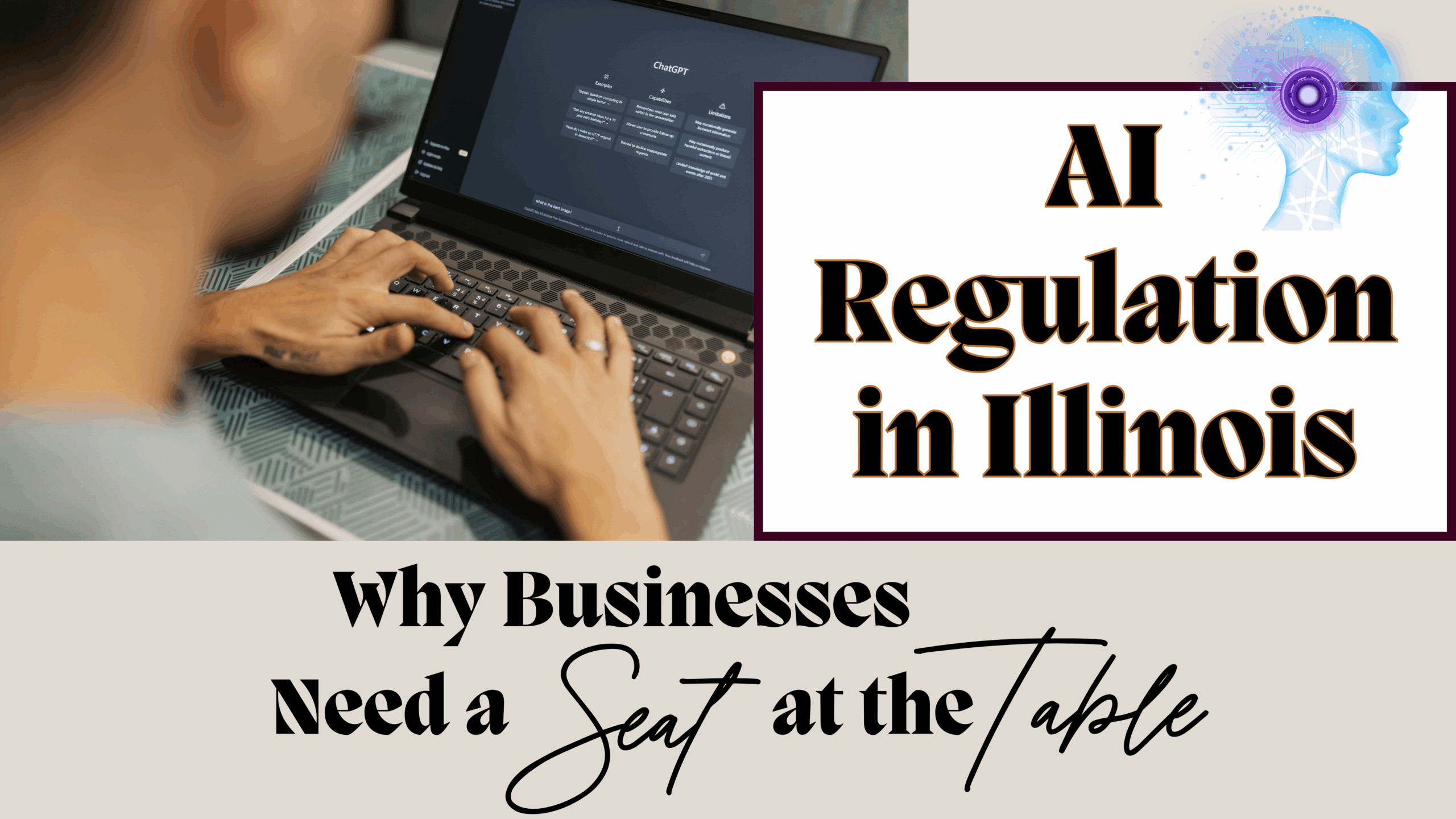
Illinois AI Regulation for Businesses: Why Businesses Need a Seat at the Table
Illinois is leading the nation on AI regulation. From BIPA to the AI Video Interview Act, Springfield sets national trends. Now, with generative AI in hiring and employment decisions, lawmakers are moving fast — and businesses need a seat at the table before new laws take effect.

How to Close a Political Action Committee in Illinois
Closing a Political Action Committee in Illinois doesn’t have to be complicated. With the IDIS portal and clear steps, you can wrap things up quickly and efficiently. Ready to close the books?

Why Start a Political Action Committee in Illinois
Starting a PAC in Illinois empowers you to shape policy and amplify your voice. Unite a community, fundraise, and advocate for change. It’s more than paperwork; it’s a commitment to lead and influence. Ready to elevate your advocacy? This is your moment to make an impact.

Why Women-Owned Lobbying Firms are Changing the Game in Illinois Politics
Women-owned lobbying firms are reshaping Illinois politics by introducing innovative strategies and fostering inclusive networks. Their strong connections with female legislators, commitment to diversity, and adaptive approaches offer businesses a competitive edge in advocacy. Partnering with these firms provides access to strategic solutions, influential relationships, and a dedication to equity, making them valuable allies in navigating the state's political landscape.

How to Use AI for Political Fundraising
Transform your political fundraising with AI! Discover how cutting-edge tools can streamline donor outreach, optimize campaign efforts, and unlock new revenue streams—no need for a big budget or tech expertise. Stay ahead in the political game with AI strategies that make every dollar count.

How to Use Polis AI in Your Political Campaign
Discover how Polis AI can revolutionize your political campaign with real-time voter insights, affordable polling alternatives, and data-driven strategies to engage supporters and refine your message. Save time, money, and campaign smarter!

The Role of Lobbying in Shaping Illinois Public Policy
In the complex world of Illinois public policy, businesses and organizations often face challenges that require more than passive observation—they need active advocacy. This is where lobbying plays a crucial role. Whether it’s influencing legislation, securing government funding, or protecting industry interests, lobbying has a...

Understanding the Illinois Budget: Opportunities for Your Business
Navigating the Illinois state budget can seem daunting for businesses, but it holds many opportunities. Whether you’re looking for funding, tax incentives, or government contracts, understanding the Illinois budget can help your business strategically position itself for success. The state allocates billions of dollars each...

Top 5 Mistakes Businesses Make When Dealing with State Government (and How to Avoid Them)
Navigating state government can be a complex and challenging task for businesses, especially when it comes to advocating for their interests or securing government contracts. While working with the state government can open up valuable opportunities, there are common mistakes that businesses often make that...

From Idea to Law: How a Lobbyist Can Turn Your Business Needs into Legislative Action
In the fast-moving world of politics, businesses often find themselves facing challenges that require more than just adapting to new laws—they need to influence them. Whether it’s advocating for regulatory changes, securing funding, or fighting against restrictive legislation, a lobbyist can play a crucial role...

How to Build Relationships with Illinois State Elected Officials: A Strategic Guide
Building and maintaining relationships with Illinois State Elected Officials is critical to achieving your business’s goals in the state’s complex political landscape. Whether you need to influence legislation, secure government contracts, or address regulatory challenges, having the right connections can make all the difference. In...

Navigating Illinois Politics: Why Hiring a Lobbyist is Essential for Your Business
The political landscape in Illinois, from local governments to the state government, can be difficult to navigate, especially when your business’s success depends on key government actions. For many organizations, the best way to ensure their interests are represented is by hiring a registered lobbyist....
Government Relations 101: How to Develop a Lobbying Strategy
Private companies and non-profits in Illinois have the power to significantly influence public policy, but many face challenges when trying to connect with government officials and members of the Illinois General Assembly. Developing a strong lobbying strategy is essential for navigating the legislative process and...
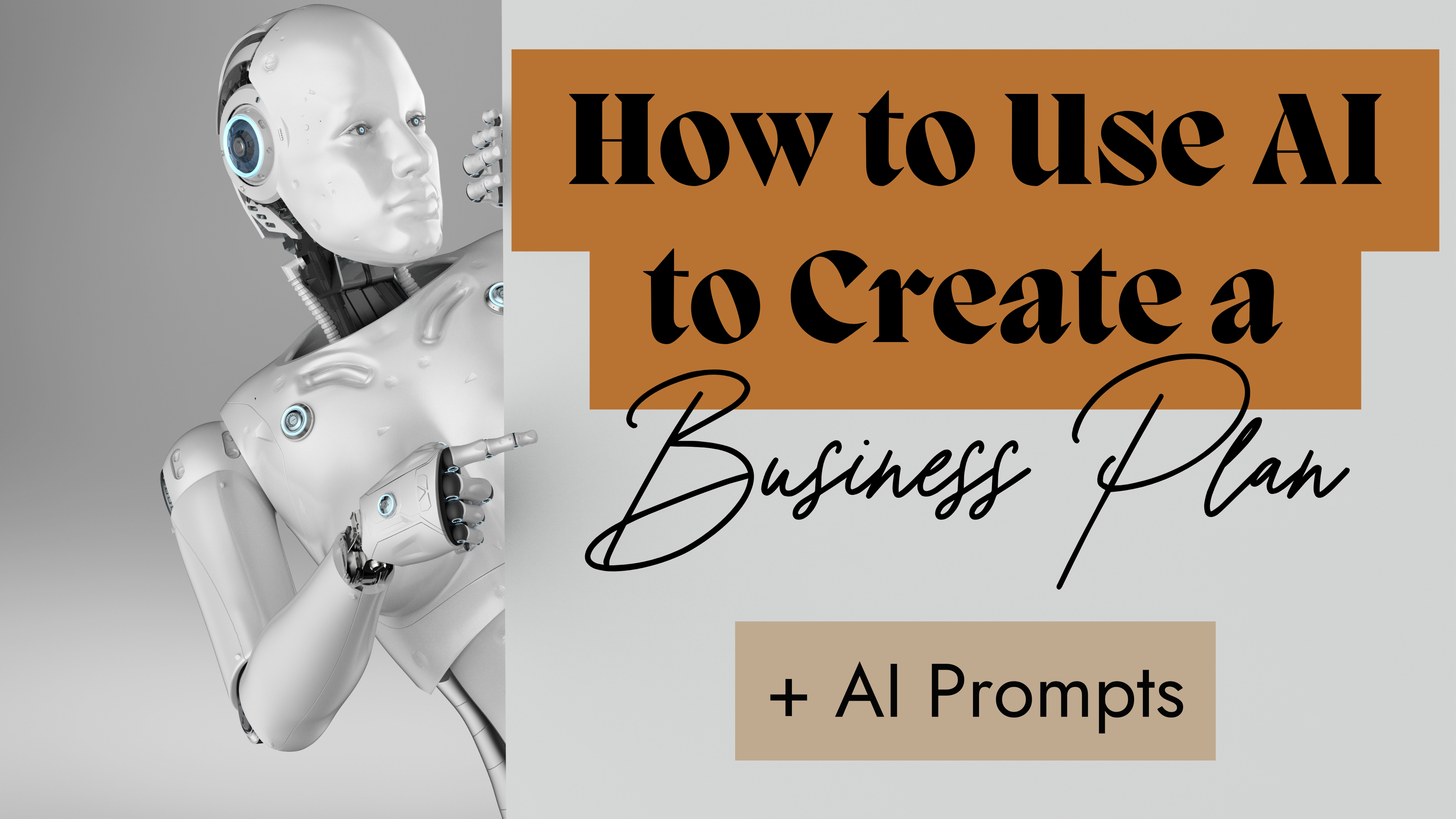
How to Use AI to Create a Business Plan [2024]
Discover how AI can revolutionize your business planning with tools for drafting, market analysis, financial projections, and strategic insights, tailored for women entrepreneurs. Unlock your business potential with our comprehensive guide.

How to Apply for WBE + MBE Certification in Illinois
Are you ready to unlock a world of opportunities? Becoming certified as a women-owned business (WBE) or minority-owned business (MBE) in the State of Illinois is a valuable way to gain access to government contracting + partnership opportunities. There are many perks of getting certified...

How to Apply for DBE Certification with IDOT
Learn about the eligibility requirements for the Disadvantaged Business Enterprise (DBE) program and the steps needed to become certified with IDOT.

2023-2024 Illinois Political Contributions Limits: A Guide for Fundraisers
We outline the contribution limits for political campaigns in Illinois. These limits are based on election cycles and apply to various types of committees.

How to File a Witness Slip in Illinois
If you're looking to make your voice heard on proposed legislation in Illinois, filing a witness slip is an important step to take. The process can seem complicated at first, but this helpful guide from Elking Consulting breaks it down step-by-step and offers valuable tips to ensure your slip is fil... Read More

How to Apply for WBE Certification in Chicago
Discover the advantages of WBE certification in Chicago and how to get certified quickly with the help of a specialized government relations firm. Learn more about wbe certification chicago today!

Benefits of WBE Certification in Illinois: Contracts, Contacts + Resources
Are you a woman-owned business in Illinois looking for ways to make your dream of growing a successful business a reality? If so, becoming certified as a Women Business Enterprise (WBE) with the state could be the key to realizing your goal and increasing your...

How to Start a Political Action Committee in Illinois
Get all the information you need on how to start a political action committee in Illinois. Find out what legal requirements and paperwork are necessary for registering your PAC.

Understanding S Corp Bylaws + Free Template
When starting a women-owned or minority-owned new business, securing the right legal structure for your business is critical. The most common business structures today are: Corporation (such as an S Corporation or C Corporation) Limited Liability Company (“LLC”) Sole proprietorship Partnership Limited Partnership Nonprofit corporations...

Ready To Sign? Navigating The Process Of How to Notarize A Document In Illinois
Learn how to notarize a document in Illinois with this easy-to-follow guide. From what to bring to the notary public to understanding the notarization process, we'll have you ready to sign in no time.

How to Decide Partnership Percentages: A Guide for Women-Owned Businesses
Learn how to decide on the right partnership percentages for your women-owned or minority-owned business.